Effective mesh size vs. edge density: the fragmentation metric regulators actually ask for
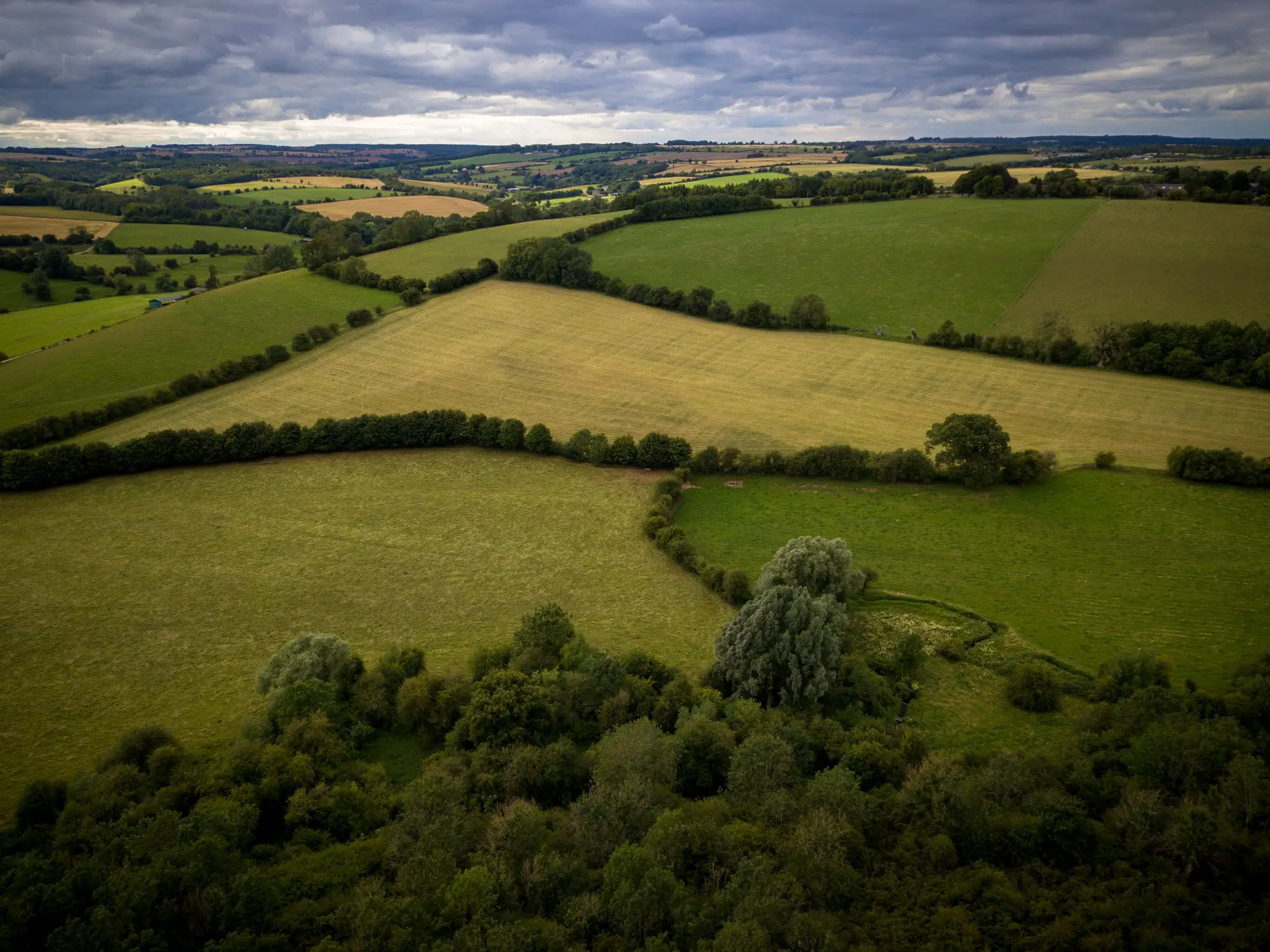
A reviewer at the state wildlife agency asks for "a fragmentation analysis" and doesn't say which metric. You've probably been there. The scoping letter says something like "address habitat fragmentation effects," and now someone on the team has to pick a number to put in the biological assessment. Effective mesh size and edge density both describe fragmentation, but they answer different questions, and swapping one for the other in front of a permit reviewer can cost you a round of comments.
What effective mesh size actually measures
Effective mesh size (meff) answers one question: if you dropped two points at random inside the study area, how likely are they to land in the same patch? It accounts for how barriers like roads, new development, or ag conversion split a habitat type into disconnected pieces, even when total habitat acreage hasn't changed. A landscape can lose zero acres of habitat and still have its effective mesh size collapse if a single highway cuts one 2,000-acre block into eight smaller ones.
Meff is the metric to reach for when a project footprint, a transmission corridor or a subdivision phase, bisects an existing habitat block and the concern is connectivity loss rather than acreage loss. It's also the term most often cited in the landscape ecology literature that agency biologists pull from when they write cumulative effects sections.
What edge density actually measures
Edge density is the ratio of patch perimeter to patch area, usually reported as meters of edge per hectare. It tracks how much interior, core habitat exists versus how much of the patch sits in an edge-affected zone, regardless of how well that patch connects to anything else nearby. Edge density climbs when patches get smaller and more irregular in shape, even if nothing about their connectivity changes.
For species sensitive to edge effects, nest predation near forest edges, microclimate shifts along a tree line, invasive species pressure at a field margin, edge density is the more direct proxy. A reviewer asking about interior forest bird habitat or core wetland function is usually asking an edge density question, even if they never use the term.
Which one shows up in agency guidance
Neither term appears consistently in federal statute. NEPA documents and Section 404 permit applications reference "fragmentation" as a general impact category, and it falls to the biologist writing the cumulative effects section to decide which index to run, often whatever a FRAGSTATS pass on the study area happens to produce. In practice, state wildlife agencies reviewing habitat conservation plans lean on effective mesh size more, because it ties directly to population connectivity, the regulatory hook for take avoidance. Edge density shows up more in forest management and riparian buffer reviews, where core area retention is the explicit standard.
A scoping meeting might call for either metric, or both, and the reviewer may not use the technical term at all. They'll say "show us the effects on habitat connectivity" or "quantify the core habitat remaining" and leave it to the consultant to map that onto a metric. Calculating the wrong one first, then redoing it after a comment letter, is the expensive version of this problem.
Getting both without a bespoke survey upfront
Both metrics need a classified land cover layer for the study area before you can run them, and that's usually the bottleneck. A site-specific ecology survey takes weeks to scope and field, and most of the shortlisting work on a project happens before anyone's approved that budget. Habitat Suitability builds the land cover classification from annual high-resolution satellite imagery and returns a connectivity metrics table, patch size, edge density, and connectivity between habitat blocks, for whatever study area you draw. Mitigation planners use it during the shortlisting phase, before the field biologist is even on contract, so both numbers are already in hand when the scoping meeting comes up. You can draw a study area and pull the fragmentation metrics directly rather than waiting on a survey vendor's calendar.
Have both numbers ready before you write the next scoping response.