In-lieu fee vs. permittee-responsible mitigation: how site requirements differ
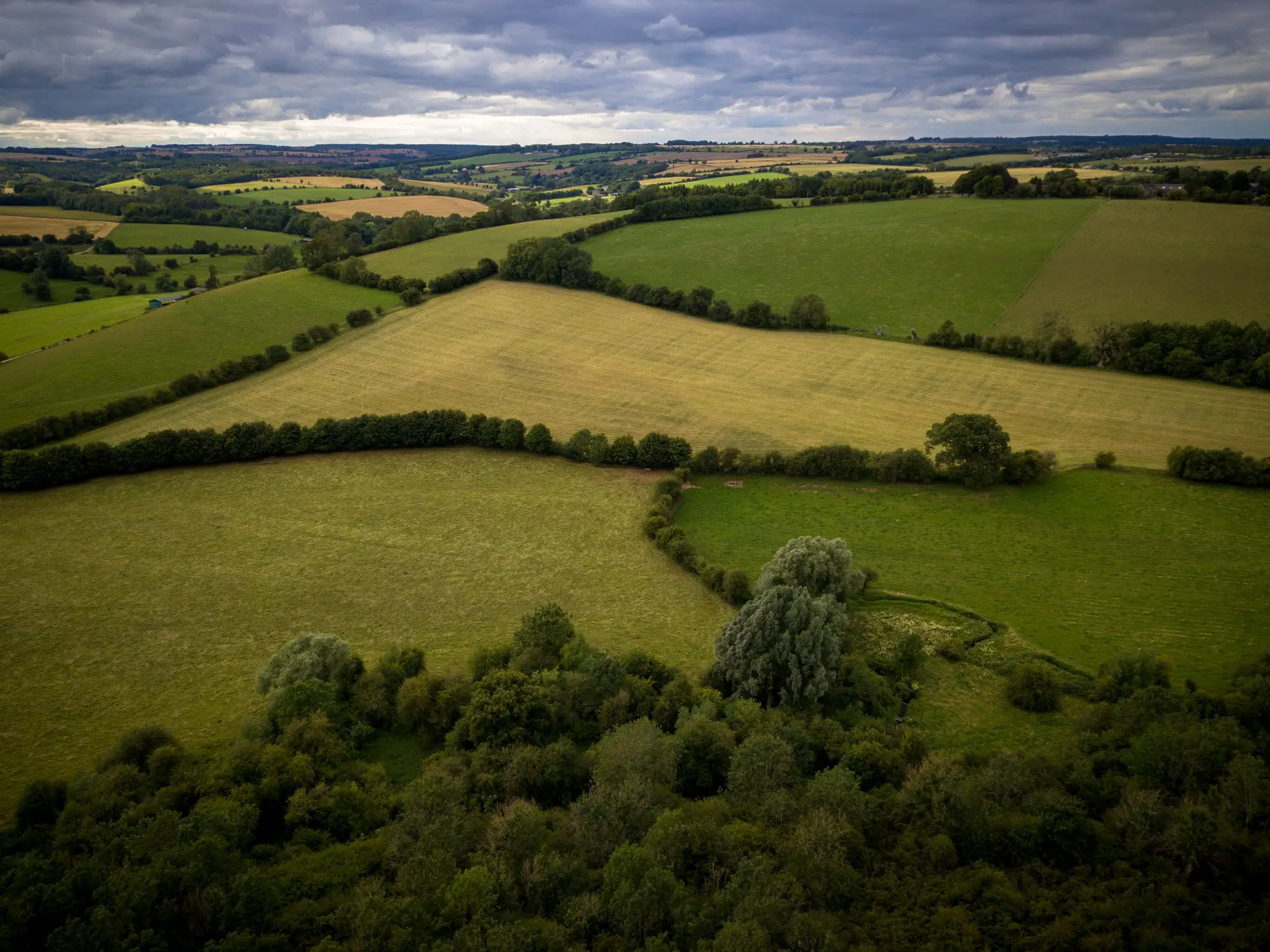
If you've sat through a pre-application meeting with an Army Corps district or a state wetlands program, you've heard the phrase "mitigation delivery mechanism" tossed around like everyone in the room already agrees on what it means. They don't, and the gap matters most at the site selection stage. In-lieu fee programs and permittee-responsible mitigation (PRM) satisfy the same regulatory obligation, offset unavoidable impacts, but they get there through completely different site-finding processes, and that difference shapes how early you need to start looking.
Who picks the site, and on whose clock
With an in-lieu fee program, you write a check to a sponsor (often a conservation nonprofit or a state agency) and they take on the compensatory mitigation obligation. The sponsor already has, or is building, a portfolio of sites inside an approved service area. Your job is to confirm the fee amount, confirm the sponsor's current advance credit availability in the right watershed, and move on with your permit. Site selection happened upstream of you, baked into the sponsor's mitigation plan that the Interagency Review Team already blessed.
PRM flips that. You, or your client, are the sponsor. There's no existing portfolio to draw credits from, so you have to find a parcel, prove it can support the habitat type you're debited for, and carry it through construction, monitoring, and long-term stewardship. The site search is where most of the schedule risk in a PRM mitigation plan actually lives, and it lands on your desk well before the permit does.
That difference alone changes your timeline. In-lieu fee site selection is mostly a paperwork exercise on your end. PRM site criteria work starts the day you know what kind of impact you're offsetting, because a wetland credit sponsor in a service area that's run out of advance credits will push you toward PRM by default, whether you planned for it or not.
What the agencies check for
Both pathways answer to the same 2008 Mitigation Rule framework, but the review teams apply it differently depending on who's doing the finding.
For in-lieu fee, the IRT vetted the sponsor's instrument years ago, service area boundaries, ecological performance standards, long-term management funding, all of it. Your permit review mostly confirms you're buying the right habitat type and function in the right watershed. The heavy site-level scrutiny already happened.
For PRM, every site gets individually evaluated against the questions a sponsor answers once: is it in the right watershed or service area to offset the impact, does the parcel support the target habitat type or can it be restored to one, and is it connected to other habitat or does it sit as an isolated patch that won't function ecologically no matter how well you plant it? Reviewers increasingly ask for patch size, edge density, and connectivity to adjacent habitat blocks as part of that case. "This parcel can support the target function" is a much easier argument to make with numbers behind it than with a site visit narrative alone.
That's also where PRM site selection gets expensive before it gets anywhere. Hiring an ecologist to walk five or six candidate parcels and come back with a connectivity and fragmentation assessment on each one is a reasonable ask for the parcel you end up buying. It's a hard ask to justify for the three parcels you rule out in week one.
The practical fork in the road
If you're deciding between the two mechanisms, the site requirements question usually answers itself: do you want to inherit a vetted site, or do you want to find and defend one yourself? In-lieu fee is faster and lower-risk at the site level because someone else already did the ecological homework. PRM gives you more control over location and timing, which matters on projects where the in-lieu fee service area doesn't line up with your impact, but it means your team owns every site criterion from parcel size down to how it connects to the habitat around it.
For teams going the PRM route, Habitat Suitability is built for exactly that early fork: before you've committed an ecologist's time to field verification, you can pull a land cover classification for your candidate parcels and get patch size, edge density, and connectivity metrics back as a table, which is usually enough to narrow five parcels to the two worth a real site visit.
If you're staring down a PRM site search and need to rule parcels out before you rule one in, that's what Habitat Suitability is for.